We Audited How AI Describes 190 Community Foundations. Here's What We Found.
April 23, 2026
If you ask ChatGPT, Gemini, or Claude about your community foundation, there's a good chance the answer will be incomplete, outdated, or flat-out wrong.
We know this because we just tested it across 190 foundations nationwide.
How you’re showing up in these spaces matters and it matters more with each passing day. Many of the people you most want to reach — potential donors, partners, lawmakers, journalists, and grantees — aren’t going to your homepage anymore.
They’re typing queries into their Google search bar and then reading the Gemini-generated response before they see anything else. Or they’re using Claude or Chat GPT as their default research tool and eschewing search altogether.
If the information they’re seeing about you is incorrect, incomplete, or outdated, you’ve missed a big opportunity to form an impression.
The good news? There are several important steps you can take to make sure your foundation's story is findable, structured, and current on the open web.
Our new field-wide AI Perception Audit shows you how your community foundation is showing up and offers a clear roadmap for how to take ownership of your AI search results moving forward.
What we found
Let’s start with what the audit measures.
We queried five major AI platforms — ChatGPT, Claude, DeepSeek, Gemini, and Perplexity — about each foundation and scored their responses on a 1-10 scale across three dimensions: accuracy, completeness, and recency.
The results were not great.
The average score for all 190 community foundations was 6.2.
If we were scoring out of 100, that means that robots are only getting a 62% grade in terms of serving up accurate, complete, and timely results about community foundations.
If we dig deeper, the results become more interesting:
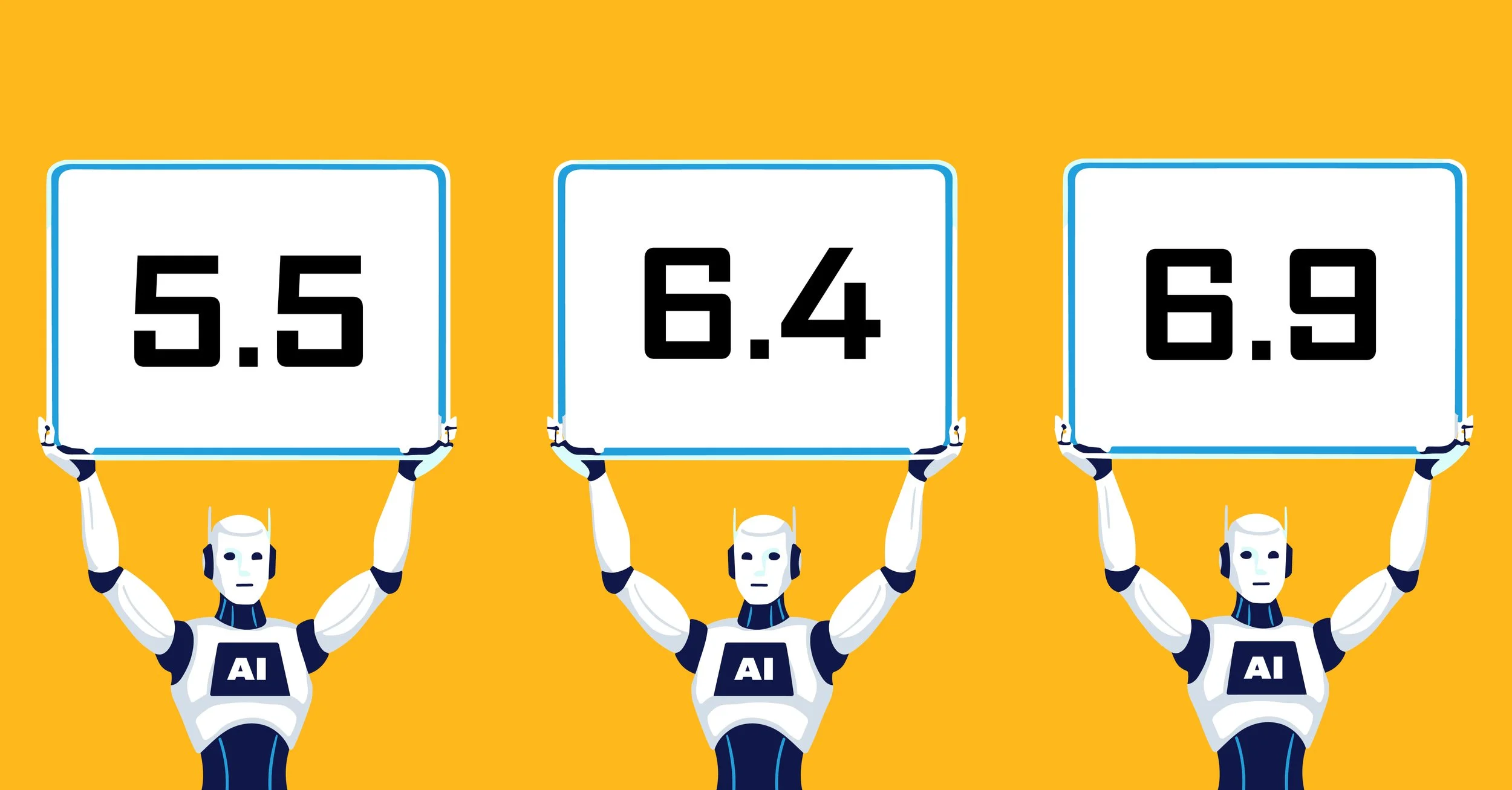
Accuracy came in strongest with an average grade of 6.9 — most platforms get the basics right about who you are and what you do. But they’re still falling way short.
Completeness landed at 6.4.
Recency — how well AI platforms reflect what your foundation is doing right now — scored just 5.5. In other words, AI is often describing a version of your foundation that's two or three years out of date.
Some platforms are better than others
Not all AI platforms are created equal when it comes to representing your organization and the work you do.
Perplexity, which pulls from live web search results, led the pack at 8.2 average. Claude came in at 6.6, ChatGPT at 6.3, and Gemini at 5.9.
At the bottom? DeepSeek — averaging just 3.8 — often produces vague or outright inaccurate descriptions of even well-known foundations.
This spread tells us something important: the platforms that rely on real-time web indexing do a dramatically better job than those working from static training data.
But even with Perplexity, there’s room for growth. While an 8.2 out of 10 is nice, that’s a B-grade. There’s still a lot of missing and inaccurate info that’s sneaking its way into its results.
The Wikipedia factor
Here's the finding that surprised us most: across all 190 audits, the single most consistent predictor of strong AI scores was the presence of a Wikipedia article.
Foundations with well-sourced Wikipedia pages scored meaningfully higher on accuracy and completeness across every platform. And yet only 15 of the community foundations we audited have one.
Wikipedia isn't glamorous work. But AI platforms treat it as a primary reference source. If your foundation doesn't have an article — or if the one that exists hasn't been updated since 2019 — that's the first gap to close.
5 things you can do right now
Based on what we found across all 190 audits, here are the highest-impact actions any foundation can take to improve how AI represents your work:
1. Create or update your Wikipedia article.
This is the single highest-ROI action in the audit. Wikipedia pages are highly indexed by AI platforms. Organizations with accurate, well-sourced, entries that reflect your leadership, asset size, and signature programs tend to have the best results.
If you don't have one, start the process now — it takes time, and the sourcing requirements are real, but the payoff across every AI platform is significant.
2. Add structured data to your website.
Schema.org markup — specifically Organization, NonprofitType, and Grant schemas — helps AI platforms parse your site programmatically. It's one of those behind-the-scenes investments that quietly improves how every platform understands your foundation.
If your web team hasn't explored this yet, it should be near the top of the list.
3. Hit the wires.
Foundations with even occasional PR Newswire or BusinessWire distribution showed noticeably higher recency scores. You don't need a press release every week — a quarterly cadence around your annual report, major grants, or leadership milestones will make a difference.
This also helps you beyond basic search: recent Muckrack research found that more than 95% of AI chatbot citations come from earned media. Wire distribution feeds directly into that ecosystem.
4. Publish your impact data in HTML, not just PDF.
This one's simple but overlooked. If your annual impact numbers live only inside a PDF report, most AI platforms can't read them. A dedicated "Impact" or "By the Numbers" page on your website — updated annually with current figures — ensures AI platforms can actually find and cite your results.
5. Keep your third-party profiles current.
GuideStar/Candid, Charity Navigator, Crunchbase, Google Knowledge Panels — these are reference points AI platforms cross-check constantly. Make sure they reflect your current leadership, asset size, and program descriptions. It's maintenance work, but it compounds.
What this means for the field
Community foundations have spent decades building trust through local relationships, deep community knowledge, and long-term stewardship.
That story is powerful — but AI is telling a diluted version of it.
And real people — your potential donors, partners, lawmakers, and the media — aren't getting the real story.
The foundations that invest in their digital presence today won't just improve a score on an audit. They'll shape how the next generation of donors, advisors, and community leaders discover and understand their work.
We built this audit to give community foundation leaders a clear, actionable picture of where they stand.
Every one of the 190 foundations in this study will soon be able to access an individual report with platform-by-platform scores, specific gaps identified, and a tailored action plan.
We look forward to sharing this info with the field — and helping you capture a major opportunity to tell your story.